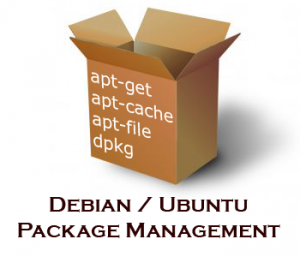
Ubuntu 24.04, the latest long-term support (LTS) release of the popular Linux distribution, brings a host of new features and improvements to the table. As a Debian-based system, Ubuntu relies heavily on .deb files for software distribution and installation. These files, known as Debian packages, contain all the necessary files and metadata required to install and configure software on Ubuntu systems. In this article, we will dive deep into the process of installing multiple .deb packages on Ubuntu 24.04, exploring various methods and best practices to streamline your software setup.
Understanding .deb Files
.deb files are the cornerstone of software distribution in Debian-based systems like Ubuntu. These files are essentially archives that encapsulate all the essential components of a software package, including binaries, libraries, configuration files, and metadata. The structure of a .deb file ensures that the software can be installed, configured, and managed efficiently on the target system. By using .deb files, users can enjoy the benefits of specific software versions, offline installation capabilities, and a standardized package management system across the Debian ecosystem.
Prerequisites for Installation
Before embarking on the installation journey, it’s crucial to ensure that your Ubuntu 24.04 system meets the necessary requirements. First and foremost, verify that your system architecture aligns with the .deb packages you intend to install. Additionally, ensure that you have the required permissions and administrative access to perform the installation. It’s also a good practice to update your system packages to their latest versions using the sudo apt update and sudo apt upgrade commands, ensuring compatibility and security.
Methods to Install Multiple .deb Packages
Using the Command Line
The command line is a powerful tool for installing multiple .deb packages on Ubuntu 24.04. Let’s explore two popular command-line methods: dpkg and apt.
Using dpkg
dpkg is a low-level package management tool that allows you to install .deb files directly. To install multiple packages using dpkg, use the following command syntax:
sudo dpkg -i package1.deb package2.deb ...Replace package1.deb, package2.deb, etc., with the actual names of your .deb files. dpkg will attempt to install the packages in the specified order. However, it’s important to note that dpkg does not automatically resolve dependencies. If you encounter dependency issues during installation, you can use the following command to install the missing dependencies:
sudo apt install -fUsing apt
apt is a higher-level package management tool that simplifies the installation process by automatically handling dependencies. To install multiple .deb packages using apt, use the following command syntax:
sudo apt install ./package1.deb ./package2.deb ...Make sure to include the relative or absolute path to the .deb files. apt will analyze the packages, resolve any dependencies, and install the packages along with their required dependencies, making the process more streamlined and user-friendly.
Using GDebi
GDebi is a user-friendly tool that simplifies the installation of .deb packages by automatically handling dependencies. It comes in both command-line and graphical user interface (GUI) variants.
GDebi CLI
To install multiple .deb packages using the GDebi command-line interface, first install GDebi by running:
sudo apt install gdebi-coreOnce installed, you can use the following command syntax to install multiple packages:
sudo gdebi package1.deb package2.deb ...GDebi will handle the installation process, automatically resolving and installing any required dependencies.
GDebi GUI
To use the GDebi graphical user interface, install it by running:
sudo apt install gdebiOnce installed, you can launch GDebi from the application menu. Simply drag and drop your .deb files into the GDebi window or use the “Open” button to select the packages. GDebi will display package information and any dependencies that need to be installed. Click the “Install Package” button to proceed with the installation.
To set GDebi as the default application for opening .deb files, right-click on a .deb file, select “Properties,” navigate to the “Open With” tab, and choose GDebi as the default application.
Using Graphical User Interface (GUI)
While the Ubuntu Software Center in previous versions of Ubuntu provided an easy way to install .deb packages, Ubuntu 24.04 has introduced changes that limit its ability to handle local .deb installations. However, alternative GUI tools like GDebi, as mentioned earlier, offer a user-friendly way to install multiple .deb packages.
Common Issues and Solutions
During the installation of multiple .deb packages, you may encounter various issues and errors. Here are some common problems and their solutions:
- Dependency issues: If you encounter unmet dependencies during installation, use the
sudo apt install -fcommand to automatically resolve and install the missing dependencies. - Permission denied: Ensure that you have the necessary permissions to install packages. Use the
sudocommand to run the installation commands with administrative privileges. - No app installed for Debian package files: If double-clicking on a
.debfile doesn’t launch an installation app, install GDebi usingsudo apt install gdebiand set it as the default application for handling.debfiles.
Conclusion
Installing multiple .deb packages on Ubuntu 24.04 is a straightforward process that can be accomplished using various methods. Whether you prefer the command line with tools like dpkg and apt, or user-friendly options like GDebi, and Ubuntu provide flexibility and choice in software installation. By understanding the different approaches and their advantages, you can streamline your software setup process and take full advantage of the vast ecosystem of Debian packages available for Ubuntu 24.04. Embrace the power and versatility of .deb files, and unlock the full potential of your Ubuntu system.